Jeremy Bolen
-
Future Weather
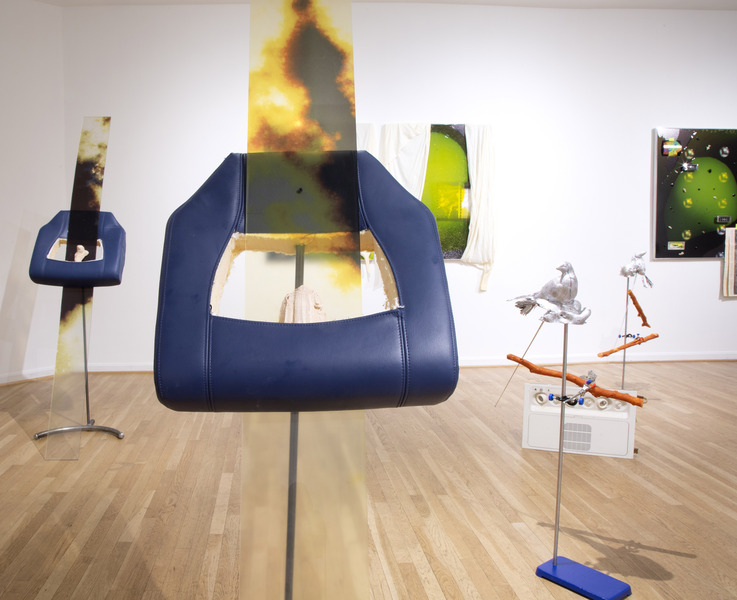
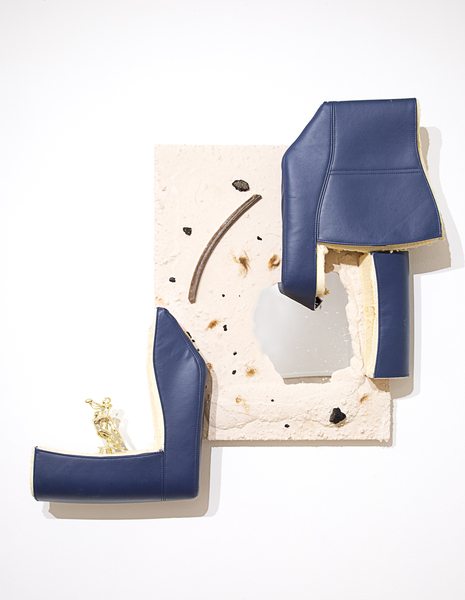
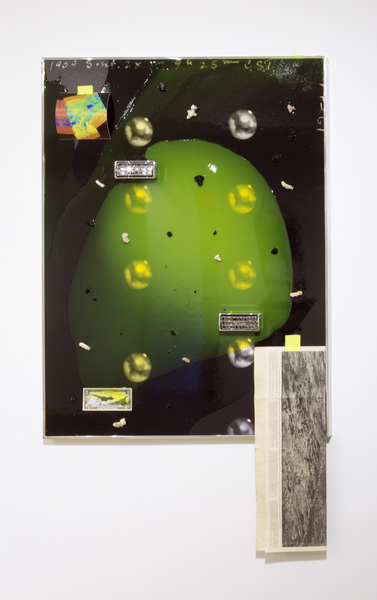
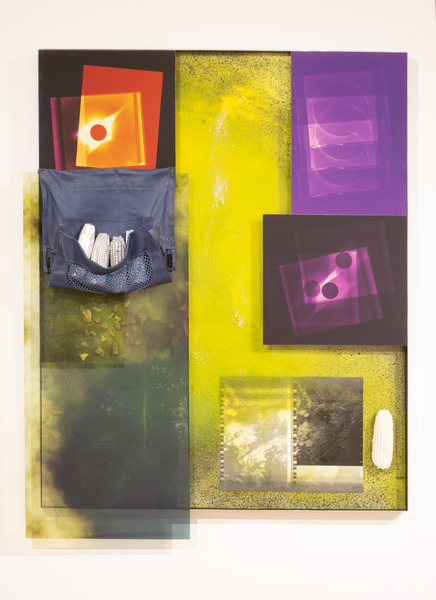
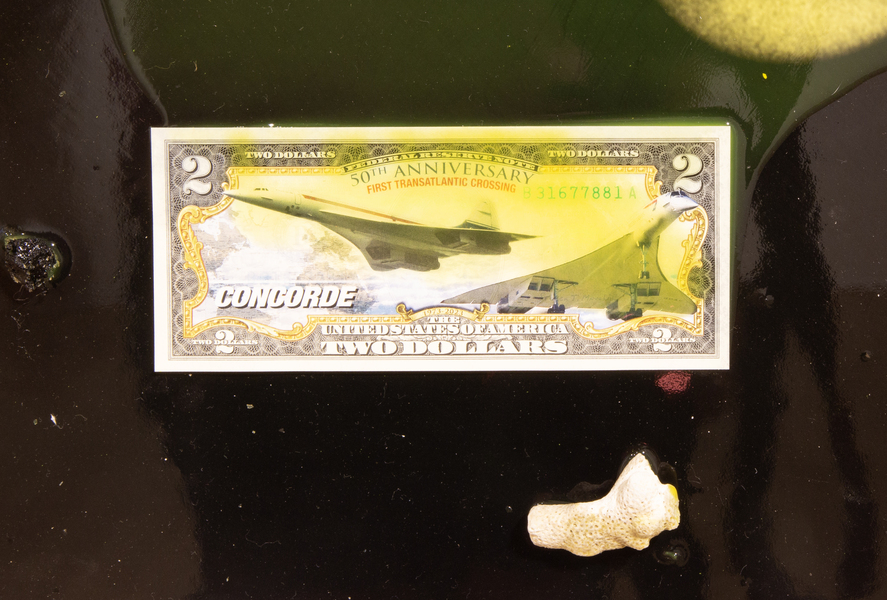
In Future Weather, artist/researcher Jeremy Bolen presents a new, immersive exhibition of speculative documentary works that record our current climate crisis while simultaneously speculating on the optics and aesthetics of a possible geo-engineered future. Much of our world is vanishing before our eyes, and human-engineered interventions in the Earth's atmosphere will impact remains visible.
Using photo-based images, hybrid objects, and sculptures, Bolen investigates a wide array of issues including solar radiation management, de-extinction, climate related funding cuts, coral bleaching and the impact of global human moment. Many of the images for this were created using an archive of glass plate negatives at Yerkes Observatory in Williams Bay, Wisconsin. Yerkes Observatory is widely considered the birthplace of modern astrophysics –– and houses the largest refracting telescope ever used for astronomical research, a 40-inch double doublet lens refracting telescope. These glass plate negatives were created between 1897 and 1960 using the telescope to help astrophysicists observe the unobservable ––to help them see deep into the night sky -- and in this body of work are used to reference what we may not be able to observe in the not to distant future.
Solar radiation management, in which sulfur particles injected into the stratosphere would combat rising temperatures by reflecting sunlight away from the Earth’s surface. Mirroring the cooling effects of ash clouds caused by volcanic eruptions, the procedure could have many unpredictable and unfavorable consequences including whitening the daytime sky, obscuring our views of the stars and affecting crop production.
Recent budget cuts to the National Oceanic and Atmospheric Administration (NOAA) and the National Weather Service (NWS). These cuts include reduced weather balloon launches and the decommissioning of key weather satellites—both of which significantly impact weather forecasting and climate monitoring—making it increasingly difficult to predict weather patterns and understand climate change.
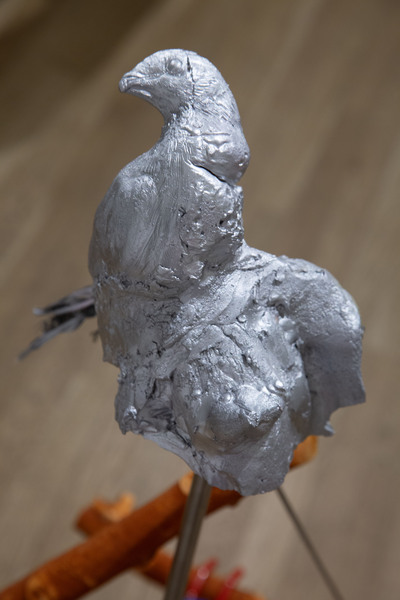
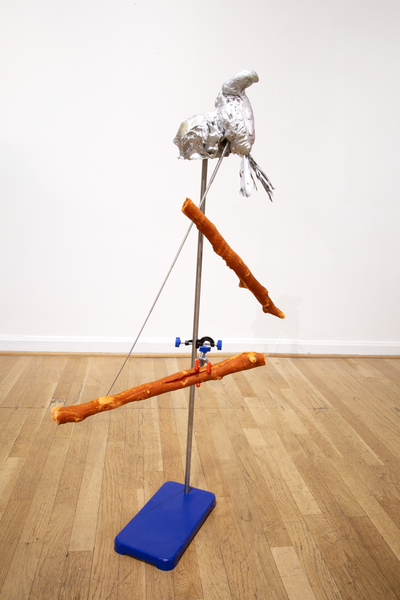
De-extinction has garnered significant attention through projects aimed at reviving species like the passenger pigeon, woolly mammoth, and dodo. The passenger pigeon, once numbering in the billions, became extinct in the early 20th century due to overhunting and habitat loss. Scientists are now exploring genetic techniques to restore the species by using preserved DNA to guide cloning or genetic engineering efforts, potentially creating a hybrid capable of thriving in today’s environment. These efforts not only aim to revive lost biodiversity but also spark discussions about managing existing species to prevent further extinctions.
-
-
-
-
-

-
-

-

-

-
-